
If you are stressed for weeks and catch every cold at the office, it is reasonable to wonder whether a herb that lowers cortisol would also protect your immune system. The idea is partly right, and the evidence behind each half is very different. This article looks at what ashwagandha and reishi for immune support can realistically offer.
What cortisol does to your immune system, and why chronic stress is different from a stressful week
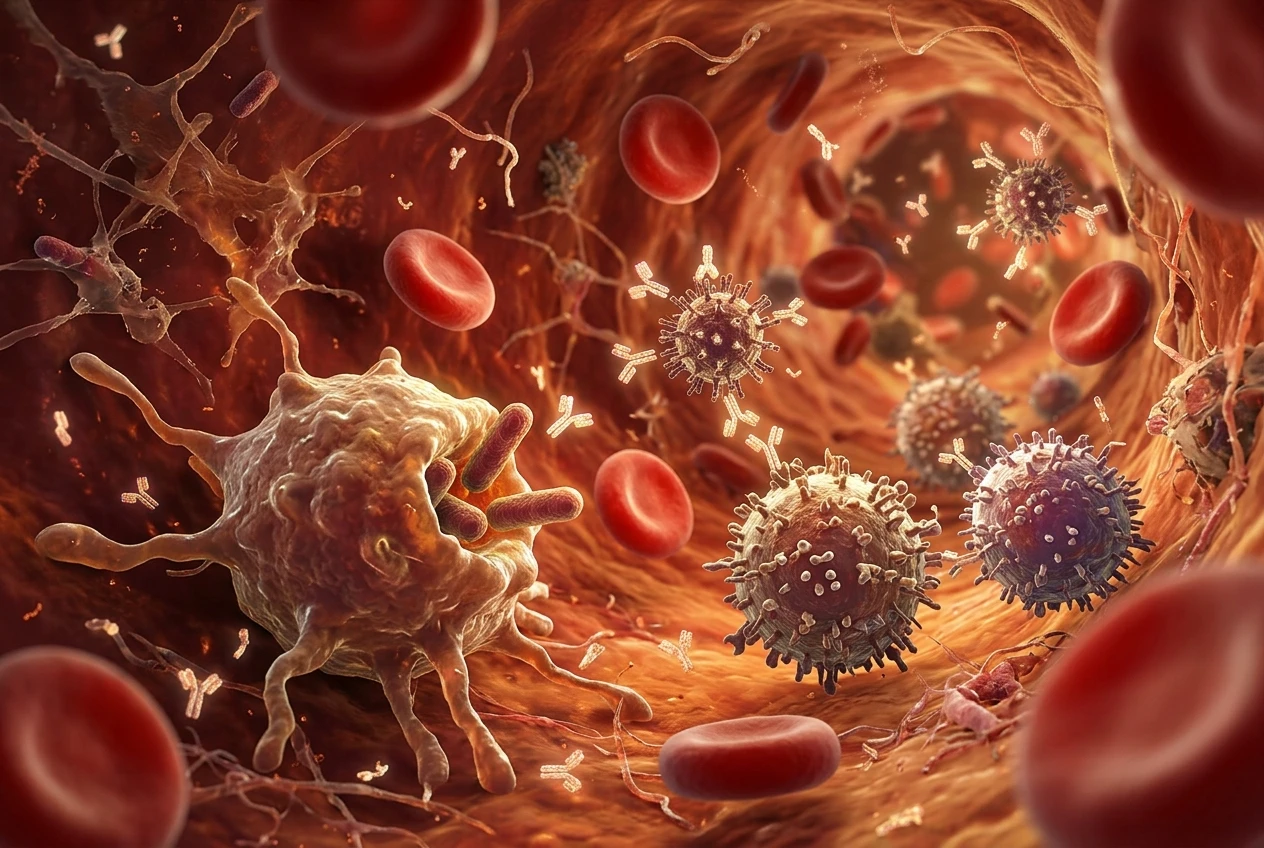
Cortisol is the main stress hormone. In a short burst, it mobilizes energy, sharpens attention and temporarily shifts where immune cells are in the body. A hard week followed by rest is something the system is built to handle.
Chronic stress is a different situation. When cortisol stays elevated for weeks or months, or the daily rhythm flattens, immune cells can become less responsive to cortisol’s signals. Studies in which volunteers were deliberately exposed to cold viruses have linked longer-lasting stress with a higher chance of developing a cold. So the connection between stress and getting sick is real. The open question is whether lowering cortisol with a supplement reverses it.
What “adaptogen” actually means, and what it doesn’t promise
“Adaptogen” is a traditional-use and marketing category for herbs said to help the body cope with stress. It is not a regulated pharmacological class, and no herb earns the label by passing a standard test.
The word also suggests “balancing,” as if the herb pushes cortisol up when it is low and down when it is high. Human studies mostly measure whether cortisol or stress scores drop in stressed adults. That is a narrower result than balance.
Ashwagandha: what human studies show about cortisol, and how far that goes toward immunity
Ashwagandha has the better human evidence of the two, though mostly for stress. Several randomized trials in stressed adults report lower blood or saliva cortisol and lower scores on stress questionnaires compared with placebo. Most trials are small and short, they use different extracts, and many are funded by supplement makers.
Immunity is where the evidence thins out. Some studies look at immune markers, but a change in a lab marker does not tell you whether you will get fewer infections. I am not aware of good trials showing that ashwagandha reduces how often people catch colds. For amounts and timing, the ashwagandha dosage guide covers that separately.
Reishi: where the immune claims come from and how much of it is lab work versus people
Reishi’s reputation comes largely from its compounds, especially beta-glucans and triterpenes, which affect immune cells in test tubes and in animals. That is a legitimate reason for research. It is not proof of an effect in a person who swallows a capsule.
Human trials of reishi exist, but they are small and varied. They cover different preparations and different groups of people, so it is hard to draw a firm conclusion about preventing infections. Reishi also has little direct evidence for lowering cortisol. If you take it for immune support, you are relying on the more preliminary part of the research.
Why lower cortisol doesn’t automatically mean fewer colds
Cortisol is one of many links between stress and immunity. Poor sleep, skipped meals, less movement and more time indoors with other people all come with a stressful stretch, and each one affects how often you get sick.
A herb might lower your cortisol and make you feel calmer, and that benefit is worth having by itself. Whether you then get fewer infections depends on those other factors too. Treat any immune benefit as possible but unproven.
Who should skip these or talk to a clinician first
Both herbs act on the body, so check with a doctor or pharmacist before starting if any of these apply:
- Autoimmune conditions. Herbs described as immune-stimulating could be unwelcome if your immune system is already overactive.
- Immunosuppressant medication. A supplement that influences immune activity may work against the drug.
- Thyroid conditions. Ashwagandha has been reported to raise thyroid hormone levels in some people.
- Pregnancy. Ashwagandha is generally advised against, and reishi has too little safety data to count on.
- Blood thinners or upcoming surgery. Reishi may affect clotting, so mention it to your clinician.
Rare cases of liver problems have been reported with ashwagandha. Stop and get medical advice if you develop symptoms such as yellowing skin or eyes, dark urine or persistent abdominal pain.
How to try one fairly
If you and your clinician agree it is reasonable, change one thing at a time. Starting ashwagandha and reishi together makes it impossible to tell which one helped or caused a side effect.
- Pick one herb and one product, and keep the brand the same throughout.
- Set a trial period of about four to eight weeks before judging it.
- Track the things you can actually observe: sleep quality, daily stress on a 1 to 10 scale, how many days you felt run down, and any colds.
- Note side effects such as stomach upset, drowsiness or changes in how you feel on medication.
If nothing has changed by the end, stopping is a perfectly good result.
What to lean on first
The basics have stronger support than either herb. Regular sleep, enough protein and varied plant foods, daily movement and some real time away from stressors all affect both cortisol and immune function. The natural home remedies for sleep article is a practical place to begin if nights are the weak point.
For cold season specifically, the elderberry syrup trials are worth reading, since that herb has human research aimed directly at colds. Adaptogens can sit on top of those habits as an optional extra, and they will not make up for missing the foundations.