
Dealing with anxiety can feel overwhelming and exhausting, but there are natural remedies that truly make a real difference in calming nerves and finding some peace. Over the past few years, I’ve explored all sorts of ways to reduce anxious feelings in everyday life, from family traditions to tips backed by both studies and health experts. Whether you’re searching for simple changes to your daily routine or gentle herbal support, this guide offers practical options to help you manage anxiety in a natural way.
Understanding Anxiety and Its Triggers
Anxiety pops up for many reasons, and sometimes it feels tricky to spot the cause. Everyday situations like job pressure, health challenges, or relationship bumps can trigger anxious thoughts. Sometimes, even weather shifts or too much caffeine play a role. While everyone gets nervous or worried from time to time, ongoing anxiety can start to affect sleep, concentration, and even relationships, making daily life tough.
Getting familiar with common triggers is a crucial step toward managing anxiety naturally. Typical triggers include:
- Stressful Events: Moving, starting a new job, or major family changes can kick off anxious feelings.
- Poor Sleep: Restless nights or inconsistent routines give a boost to anxiety.
- Diet and Caffeine: Food sensitivities or too much caffeine can make nerves worse.
- Lack of Exercise: Sitting all day can leave the body with pent up energy, fueling anxious thoughts.
- Social Pressures: Comparing yourself to others or pressure from social settings can also set anxiety into motion.
- Financial Concerns: Worries about money or work stability tend to weigh heavy on our minds.
Recognizing these factors helps in choosing the right natural strategies for relief. Everyone’s experience with anxiety is personal, so what helps one person might not help another. Still, checking out options is a solid place to start.
Holistic Lifestyle Shifts
Making small changes to daily habits can deliver major results over time. Here are some ways routine changes have helped me and others manage anxious energy:
- Regular Movement: A brisk walk, stretching, or gentle yoga works wonders for both body and mind. Just 20 minutes each day can bring noticeable calmness. Even dancing around your living room counts!
- Mindful Eating: Focusing on balanced meals and avoiding processed foods or sudden sugar swings eases highs and lows in mood, providing more steady energy and less emotional rollercoaster.
- Consistent Sleep Routines: Heading to bed and waking up at the same time each day sets up your brain and body for better rest. Good sleep habits cut down on morning anxiety spikes.
- Reducing Technology Use: Setting boundaries with social media and limiting screens before bed make winding down for sleep easier. Try swapping your phone for a book or calming music before sleep.
- Spending Time in Nature: Even a quick visit to a park or sitting under a tree can ease racing thoughts. Time outdoors gives your mind a break in a way that four walls just can’t.
- Practicing Gratitude: Taking a moment each day to write down one or two things you appreciate helps shift your mindset toward positivity, naturally easing stress.
Whenever I focus on just one or two changes first, I realize they are more likely to stick. The key isn’t perfection, but consistency and finding rhythms that suit your life. Over time, these habits grow roots and provide genuine support.
Herbal and Natural Remedies for Soothing Anxiety
Herbs have been used for hundreds of years to calm nerves and lift spirits. While not a cure all, they can be pretty helpful for easing mild symptoms when used with care. Here’s a rundown of some popular options:
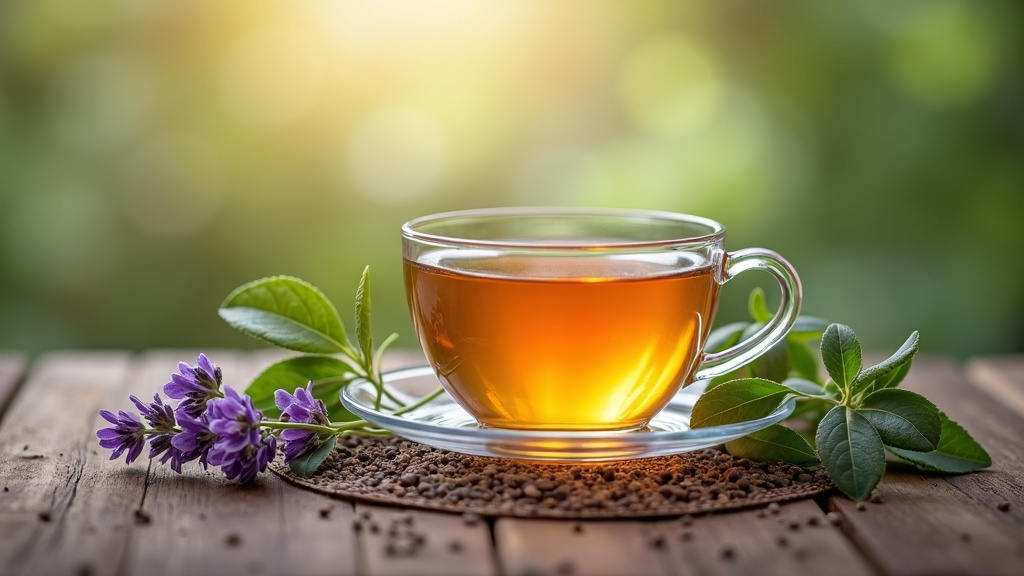
- Chamomile: Sipping on chamomile tea in the evening or when stress is high always helps me relax. Its calming properties are well known, and research supports its gentle effect on anxiety.
- Lavender: Whether as a tea, essential oil, or in a bath, lavender offers a soothing scent perfect for unwinding at night or after a busy day.
- Lemon Balm: This herb works well as a tea or capsule. It’s traditionally used to calm both body and mind, especially if anxiety brings muscle tension.
- Passionflower: Often found in herbal blends for stress relief, passionflower can help when sleep suffers due to anxious thoughts.
- Ashwagandha: Used in Ayurvedic medicine, this adaptogen supports the body’s response to stress over the long term.
Always start with small doses to see how your body reacts and talk to a health professional before including herbs in your routine, especially if you take medications or have any conditions. Trusted sources like the National Center for Complementary and Integrative Health have handy guides on herbal safety and what’s effective.
Simple Mind-Body Techniques for Daily Calm
Natural anxiety relief isn’t all about herbs or supplements. Mindbody techniques are super useful for calming tension and grounding yourself. Here are some practical ways that many people (including myself) use day to day:
- Deep Breathing: Slow, intentional breaths have an immediate calming effect. I like to inhale for four counts, hold, and exhale for six to eight counts. This helps nearly anywhere—at home or at work.
- Progressive Muscle Relaxation: Tightening and relaxing each muscle group, starting at your toes and moving up, drops tension you didn’t know you were holding.
- Guided Visualization: Close your eyes and picture a favorite peaceful place, like a sandy beach or quiet forest. This can be a quick mental break from a busy day.
- Journaling: Writing down worries or tracking anxiety triggers helps process thoughts, identify sneaky patterns, and gives a boost to self awareness.
- Meditation: Just a few minutes of focused breathing, noticing each breath or sound, settles the mind. Mindfulness meditation is especially effective, helping the brain change its reaction to daily stress. Apps like Calm or Insight Timer offer easy guided sessions if you’re just starting out.
Even on hectic days, fitting in brief moments for these techniques helps set the tone for calm. Over time, practicing them regularly can make a real difference in your body’s response to stressful moments.
Things to Keep in Mind When Trying Natural Remedies
Natural solutions are meant to support—not replace—medical care when needed. It’s important to be patient since results from herbs or lifestyle changes may take time and aren’t instant fixes. Some tips I’ve learned from experience and expert advice:
- Start Slow: Add one new remedy or technique at a time to see which fits best with your routine and symptoms.
- Monitor Your Symptoms: Keep a simple journal or use an app to track what helps and what doesn’t. Noting reactions gives a better sense of what’s working.
- Avoid Mixing Too Many Things: With herbs, stick to one option for a week or two before adding another—this way you can spot any reactions or improvements.
- Reach Out for Help: If anxiety feels severe or doesn’t ease, check in with your doctor or a qualified expert. Natural remedies work best as part of a broader health approach.
Common Pitfalls
One big roadblock is chasing after a “quick fix.” Progress is often gradual. Be careful with products or methods that promise instant relief and make sure to doublecheck new information. Patience and staying informed go a long way toward improvement.
Safety When Using Supplements and Herbs
Even natural options can interact with prescription meds or cause allergies in some people. Buy from reputable brands and look for third party testing to make sure you’re getting a clean and safe product.
Wellness Tools That Help Natural Remedies Work Even Better
Sometimes, having the right tools handy makes calming practices easier to put into daily life. Here are a few that work well together with natural remedies for anxiety:
- Diffusers: Spreading calming scents like lavender or bergamot fills your space with relaxing aromas.
- Weighted Blankets: They provide gentle, steady pressure that feels comforting, especially during anxious times or before sleep.
- Herbal Teas: Keeping calming teas like chamomile or lemon balm nearby means you have a soothing option ready to go.
- Gratitude Journals: Jotting down a couple of things you’re thankful for each day helps your mind switch gears away from worry.
Personally, I use a weighted blanket on restless nights when anxiety keeps me up. The gentle weight helps slow my breathing and ease tension, especially when I combine it with a cup of herbal tea and soft music. Trying these types of tools can help you stumble upon the right mix for your needs.
Frequently Asked Questions
Here are some questions I hear a lot when it comes to natural anxiety relief:
Question: Can natural remedies help with everyday anxiety?
Answer: Yes, many people find relief from herbs, mindfulness practices, and making healthier lifestyle choices. Natural options work best for mild to moderate anxiety or alongside other treatments.
Question: How long does it take to see results from these remedies?
Answer: It depends. Breathing exercises and calming teas may work within minutes, while changes to routine or herbal remedies can take several weeks for full benefits. Give each one time before switching things up.
Question: Are these remedies safe for everyone?
Answer: Most are safe if used mindfully, but some herbs may interact with medications. Always check with your doctor or health provider if you have questions, take prescriptions, are pregnant, or have allergies.
Resources and Further Reading
If you want to learn more about anxiety relief and natural options, check out sources like the Anxiety and Depression Association of America and National Institute of Mental Health. Both are packed with solid info about anxiety and tips on including natural remedies for better well-being.
Exploring natural remedies for anxiety opens up a world of gentle support that can bring comfort and confidence back to day-to-day life. It’s always about finding what works best for you and knowing you’re not alone in the adventure to find calm.