
Dealing with acid reflux is pretty common, but the burning and discomfort it brings can really disrupt everyday life. Heartburn, sour burps, and chest pain are just a few of the uncomfortable symptoms. While there are lots of medications on the market, plenty of people are interested in more natural choices. So, I’m sharing what I know about practical, natural remedies for acid reflux symptoms, how they work, and a few things to keep in mind before trying anything new.
Why Acid Reflux Happens
Acid reflux is when stomach acid sneaks up into your esophagus, the tube that connects your mouth to your stomach. This happens if the muscle at the end of your esophagus, called the lower esophageal sphincter (LES), relaxes too much or doesn’t close properly. Symptoms usually include heartburn (a burning feeling in the chest), regurgitation, and sometimes even trouble swallowing or a sore throat.
Several things can set off acid reflux:
- Big meals: Overeating puts pressure on the stomach.
- Spicy or fatty foods: These foods can irritate the esophagus or relax the LES.
- Eating late at night: Lying down with a full stomach makes reflux more likely.
- Habits like smoking and alcohol: Both can relax the LES and trigger symptoms.
Understanding these basics can help you make small changes that make a real difference. It’s important to note that everyone’s body reacts differently, so watching for personal patterns can provide good insight.
Everyday Natural Remedies for Acid Reflux
The good news is that a lot of people find relief with simple lifestyle tweaks and natural remedies. It’s not usually about a single fix, but a series of good habits that work together. Here are some practical, gentle approaches that are worth checking out.
Adjusting How and What You Eat
- Eat smaller meals more often: This reduces pressure on your stomach and makes reflux less likely.
- Avoid trigger foods: Common culprits include tomatoes, citrus, chocolate, spicy foods, coffee, and carbonated drinks. Everyone’s triggers can be different, so keeping a food diary helps spot your personal troublemakers.
- Stay upright after eating: Try to wait at least two to three hours before lying down or heading to bed.
- Chew your food well: Proper chewing can make digestion easier and might help keep symptoms away.
- Go slow with meals: Eating slowly and not rushing can signal your body when you’re comfortably full, lowering your risk of overeating.
Home Remedies and Natural Supplements
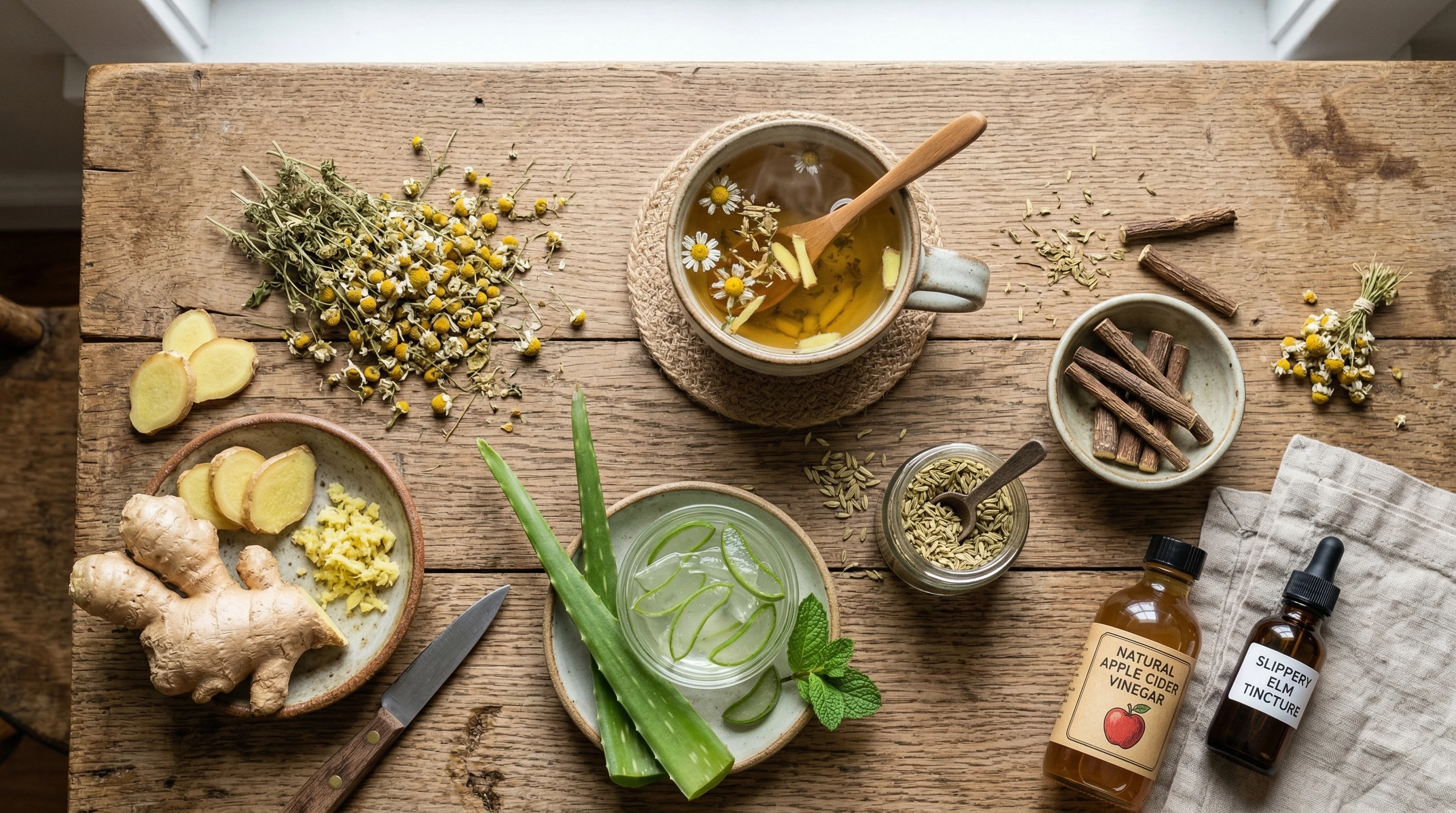
- Ginger tea: Ginger is soothing for upset stomachs and may help reduce inflammation. Making a warm cup of ginger tea after meals can sometimes calm reflux symptoms.
- Chamomile tea: Besides being relaxing, chamomile may help neutralize stomach acid and reduce stress, which is a big reflux trigger for some people.
- Aloe vera juice: Some folks find that a small amount of aloe vera juice (make sure it’s food-grade and not the kind for sunburn!) helps cool down heartburn. Always start with a small sip; too much can act as a laxative.
- Licorice root: DGL (deglycyrrhizinated licorice) tablets may help line the esophagus and stomach, offering some natural protection against acid. Chewing these before meals might help, but check with your doctor first, especially if you have high blood pressure.
- Baking soda water: A tiny bit of baking soda mixed in water can neutralize stomach acid temporarily. This isn’t an everyday solution, but for an occasional flare-up, it might do the trick. Don’t use this regularly as it can mess with your body’s pH balance.
- Slippery elm: This traditional herbal remedy forms a soothing layer in the gut, which may help reduce irritation. Drinking slippery elm tea or taking lozenges before meals can offer gentle support.
Other Habits That Can Help
- Raise the head of your bed: Elevating the head so you’re sleeping at a slight angle helps keep acid in your stomach instead of letting it creep back up.
- Lose excess weight: Carrying extra pounds around your middle puts more pressure on your stomach and makes reflux worse.
- Wear looser clothes: Tight belts or waistbands can squeeze your belly and push acid upward.
- Quit smoking and limit alcohol: Both can weaken the LES muscle and make symptoms a lot worse.
- Try gentle exercises: Activities such as walking or yoga can assist in digestion and lessen stress, both of which might help ease reflux symptoms.
Quick Reference Guide: Natural Steps for Soothing Acid Reflux
If you’re just getting started with natural remedies, these steps might make a real difference:
- Start a food and symptom diary: Writing down what you eat and how you feel can reveal surprising patterns.
- Switch up your meals: Focus on small, simple meals with milder ingredients.
- Drink herbal teas: Stick with ginger or chamomile instead of coffee, especially after a meal or before bed.
- Stay upright: Even a gentle walk after eating helps digestion.
- Try elevating your sleep position: Use a wedge pillow or blocks under your bed; regular pillows usually don’t cut it.
Things Worth Considering Before Trying Natural Remedies
Natural remedies might sound pretty harmless, but there are still some things to watch for. Here’s what to think about:
- Check with a doctor first: If your reflux is severe, frequent, or comes with symptoms like trouble swallowing, weight loss, or chest pain, talk with your doctor before going the natural route.
- Watch for side effects: Even herbal teas and supplements aren’t without risks. For example, too much licorice root can raise blood pressure.
- Some remedies interfere with medications: Supplements like aloe vera or ginger might not mix well with blood thinners or diabetes drugs.
- Home treatments don’t replace medical care: If symptoms get worse, don’t wait; seek professional advice.
Ginger and Herbal Teas
Ginger is pretty popular because it’s easy to find and simple to prepare. Slicing a few fresh pieces into hot water works well, but nowadays you can grab ready made ginger tea bags at most grocery stores. Chamomile is similar, being convenient, safe for most people, and a gentle way to relax after a meal. Avoid herbal blends with lots of additives or caffeine, as these can sometimes aggravate reflux.
Aloe Vera Juice
This remedy gets talked about a lot online. If you want to try it, make sure you use a brand specifically marked as safe to drink. Always start with a very small amount and watch for digestive side effects. Check with your provider if you’re already taking medications or have chronic health conditions.
Baking Soda and DGL Licorice
Baking soda is a quick fix, but it isn’t recommended for regular use. People with high blood pressure or those needing a low sodium diet should definitely avoid overusing it. DGL licorice is generally seen as a safer option compared to regular licorice, but again, moderation is key, and it’s wise to consult a healthcare provider before starting any new supplement.
Practical Uses for Natural Remedies
I know plenty of people who’ve found improvement just by shifting their evening routine or swapping out their favorite spicy dishes. Some have noticed a night and day difference after raising their headboard just a few inches. Another friend started drinking a ginger tea blend every morning and reduced her need for antacids. For most, managing reflux naturally isn’t about swearing off everything you love, but about thoughtful tweaks that add up over time.
- Meal planning: Preparing balanced, small meals instead of heavy dinners can really help make symptoms more manageable.
- Travel tips: When eating out or on the go, choosing simple, bland foods over rich, spicy meals keeps things a lot more comfortable.
- Home routines: Sipping on herbal teas while watching TV or practicing some relaxation techniques before bed can keep reflux from flaring up at night.
- Eating mindfully: Slowing down, chewing thoroughly, and paying attention to your body’s signals are simple habits that can help prevent symptoms before they start.
Frequently Asked Questions
What’s the fastest way to ease heartburn naturally?
Drinking a small glass of cool water usually offers quick, mild relief. Sipping ginger or chamomile tea can also help. For many people, just standing up and moving around after eating makes a difference.
Can stress make acid reflux worse?
Absolutely. High stress levels can increase stomach acid production and make reflux symptoms show up more often. Finding stress reduction techniques, like yoga, meditation, or even a walk outside, can ease symptoms.
Are natural remedies enough for long-term management?
For occasional or mild symptoms, natural remedies and lifestyle changes can work well. If your symptoms are severe or aren’t improving, it’s best to combine these steps with a healthcare provider’s advice.
Takeaway on Natural Acid Reflux Remedies
Acid reflux doesn’t always need harsh medicines or big life changes. Sometimes, a few thoughtful habits, home remedies, and smart meal choices can make a real difference. Pay attention to what sets your symptoms off, keep tabs on what helps, and remember to take things slow. Natural relief is all about consistency, patience, and listening to your own body. If something feels off or if things don’t improve, a chat with your doctor is always a good idea to make sure you’re on the right track. Trust in your body’s feedback and don’t hesitate to seek help as needed.