Headaches are one of those things that can really interrupt my day, and I know I’m not alone with that. Sometimes they show up out of nowhere or tag along when I’m stressed, tired, or dehydrated. While over-the-counter meds work for many people, a lot of folks (including me) like to try natural ways to ease that aching head. There’s actually a whole bunch of simple lifestyle tweaks, remedies, and self-care tricks that can make a surprising difference when I want fast headache relief without extra pills.
Understanding Headaches: What’s Actually Happening?
Most headaches aren’t just about pain; they’re your body trying to flag something. I usually think of headaches in two big categories: primary (like tension or migraines, where the headache itself is the main issue), and secondary (where something else triggers it, such as sinus problems or dehydration). Tension headaches are the most common and can feel like a dull ache on both sides of the head. Migraines, on the other hand, are often sharp or throbbing and may tag along with nausea or sensitivity to light.
My headaches usually make me want to unplug for a bit and check in on what’s going on. Am I stressed? Did I skip a meal? Or maybe I just haven’t had enough water. Knowing what kind of headache I’ve got helps me figure out which remedies might work best. Beyond these basics, it’s helpful to know that some headaches can be traced to hormonal changes, such as those during a menstrual cycle, while others may be triggered by weather changes or long periods of screen time. Recognizing these patterns means I can start forming a better personal plan for prevention and relief.
Simple Lifestyle Tweaks to Keep Headaches in Check
Managing headaches naturally often starts with basic, healthy habits. These are the things I’ve found super helpful to either prevent headaches or make them less severe when they hit.
- Stay Hydrated: Dehydration is a sneaky headache culprit. I aim for at least eight cups of water a day. Even mild dehydration can trigger tension and migraines. On especially hot days or after exercise, I try to drink a little extra to keep things balanced.
- Get Regular Sleep: Not enough sleep, or too much, can wreck my head. Keeping a steady bedtime schedule helps my brain and body reset. Establishing a relaxing nighttime routine —like dimming lights or reading for a few minutes—makes a huge difference in how refreshed I feel in the morning.
- Eat Consistently: Skipping meals, especially breakfast, can lead to low blood sugar and trigger headaches. I stick to balanced meals to keep things steady and toss in snacks with protein and healthy fats to avoid energy crashes.
- Manage Stress: Stress is a big trigger for me. Mindfulness, deep breathing, and quick walks bring my stress level down and often chase away mild headaches. Spending even five minutes outside or listening to calming music is sometimes all it takes to reset my mood and keep headaches at bay.
Quick Headache Relief Tricks You Can Use Anywhere
When a headache strikes, I’ve got a few natural tools that give relief without a medicine cabinet. Here are a few practical go-tos:
- Cold or Warm Compress: Sometimes I’ll grab a cold pack (a bag of frozen peas wrapped in a towel works too), and rest it on my forehead for 10 to 15 minutes. For tension headaches, a warm compress on the back of my neck helps my muscles relax.
- Find a Quiet, Dark Place: Bright lights and loud sounds make things worse for me when my head hurts. Stretching out in a dim room, even for just 10 minutes, can really help.
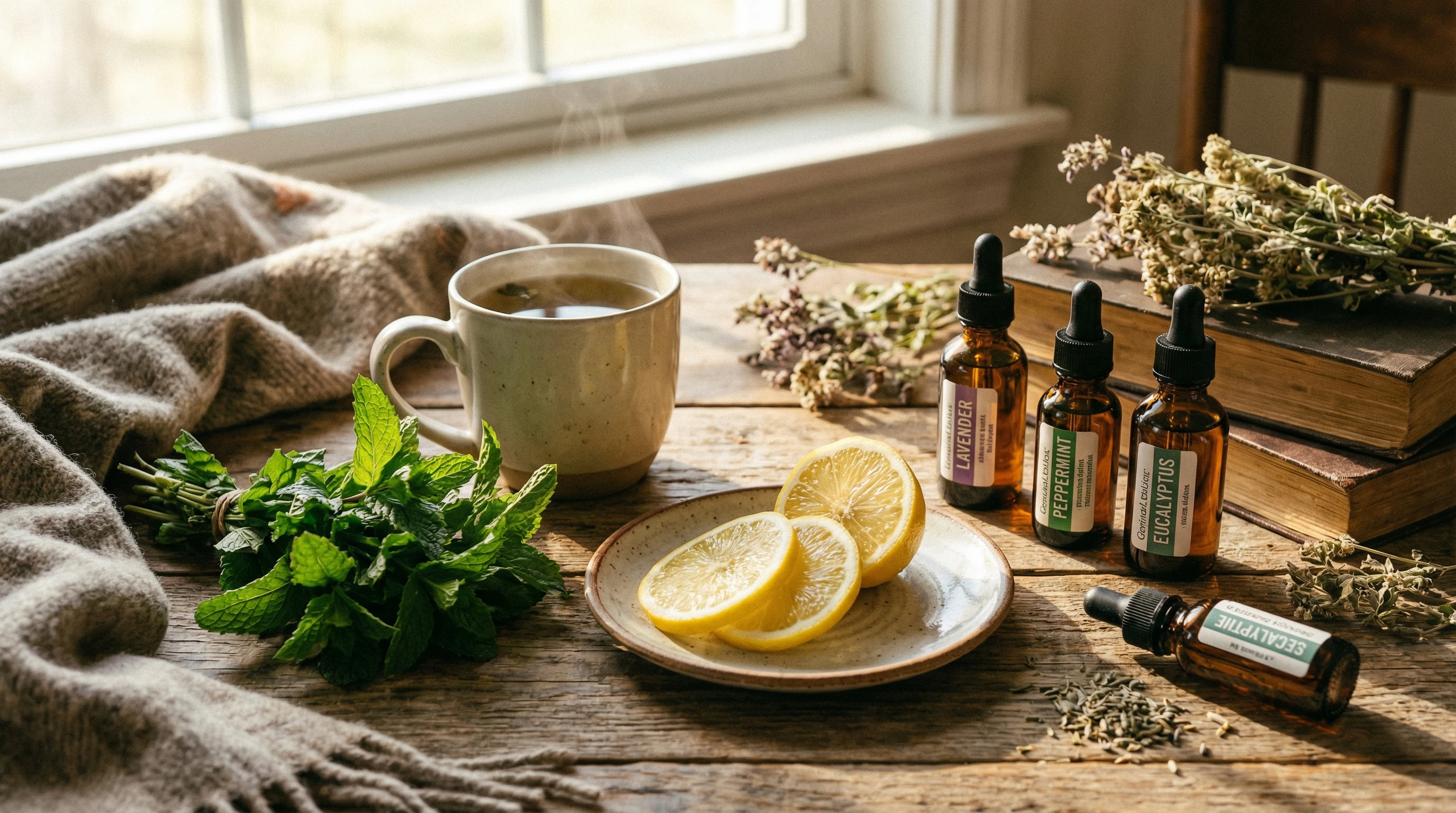
- Aromatherapy: I love using peppermint or lavender essential oils. I’ll dab a tiny amount on my temples or wrists, or sniff from the bottle. Peppermint can cool my skin and distract me from the pain, while lavender has a calming effect that’s perfect when I’m wound up.
- Massage: Rubbing my temples, the base of my skull, or even the tops of my shoulders loosens up tight muscles and seems to calm my head pain. I’ll often use a drop or two of oil for extra relaxation.
Popular Natural Remedies for Headaches That Work for Me
A bunch of traditional and alternative remedies get a lot of buzz for natural headache relief. Some are well-studied, while others rely more on centuries of know-how. Here are several worth checking out:
- Herbal Teas: Peppermint and ginger teas soothe my headaches and help with mild nausea if it comes with a migraine. Ginger, in particular, is great for calming my stomach and fighting inflammation at the same time. Chamomile tea can give a sense of calm and help when headaches that are linked to tension or trouble sleeping.
- Magnesium: Low magnesium levels are linked to migraines. I sometimes use a magnesium supplement (under my doctor’s advice), but foods like almonds, avocados, and spinach are good natural sources too. Consistently eating magnesium-rich foods has the added benefit of supporting other parts of my health, such as muscle and nerve function.
- Riboflavin (Vitamin B2): Some research suggests a daily B2 supplement may lower how often migraines happen. I always check in with my doctor before starting something new, especially supplements.
- Willow Bark: This old school remedy contains natural pain relieving compounds. I find it in health stores as tea or capsules, but not everyone can use it, so reading labels and speaking with a healthcare provider is smart.
- Feverfew: This herb has a long history in migraine prevention. Some people swear by it, but the science is still mixed, so I treat it as one piece of a full approach, not a miracle cure.
- Acupressure and Acupuncture: Gentle pressure on certain spots — like the soft area between the thumb and index finger — sometimes eases aching for me. Those who get regular headaches might even try acupuncture sessions, which many people find useful over time.
Things to Watch Out for When Trying Natural Remedies
Natural doesn’t always mean harmless. My approach is to start small, watch for any weird side effects, and check in with a healthcare pro, especially if headaches are frequent or severe. Here are a few points I keep in mind:
- Possible Interactions: Herbal remedies and supplements might interact badly with prescription meds. Looking out for interactions is really important, and checking with a trusted healthcare provider helps keep things safe.
- Consistency Matters: Habits like good hydration or daily magnesium take a little time to show results. I try not to call it quits too soon if I don’t see instant changes.
- Red Flags: Headaches that are severe, sudden, come with vision loss, or follow a head injury should never be ignored. These aren’t the kind where I just reach for herbal tea; it’s time to see a doctor.
When to Get Help
Most headaches are annoying but harmless. But if I get a headache that’s worse than any I’ve had before, or if it comes with numbness, weakness, fever, or confusion, I reach out for medical advice right away. Sometimes, getting to the root of the headache can uncover something that needs proper medical attention.
Advanced Tips to Keep Headaches Away Long-Term
Headache prevention is about more than just popping a remedy when I start hurting. There are some long-term strategies that keep my headaches at bay more reliably:
Keep a Headache Diary: Tracking when headaches start, what I was doing, and what I ate helps me notice patterns and triggers. This makes it easier to talk with a doctor if headaches stick around. A headache diary can be simple: just a notebook or phone app, jotting down dates, times, activities, and things I ate before my headache appeared.
Try Relaxation Practices: Yoga, meditation, progressive muscle relaxation, and deep breathing exercises lower both stress and muscle tension. Practicing them regularly makes a difference, and joining guided sessions (online or in person) can help create healthy habits.
Check Environment Triggers: Strong scents, fluorescent lights, and noisy rooms are common triggers for some people. Adjusting my environment goes a long way and makes for a more peaceful day overall. Using blue-light filters on screens, choosing softer lighting, or keeping work areas tidy can add up to less head pain.
Move My Body: Regular, moderate exercise like walking or gentle cycling helps reduce stress and boosts blood flow, cutting down the risk of tension headaches over time. Exploring new types of movement, such as tai chi or swimming, provides variety and keeps things interesting.
Common Questions About Treating Headaches Naturally
I hear a lot of questions from readers (and friends) who want to steer clear of too many meds. Here’s what comes up most often:
Question: Do I need to cut out caffeine?
Answer: Not everyone needs to go caffeine free. In small doses, caffeine can actually stop some headaches, but having too much or going through withdrawal can set one off. I aim for moderation and track how my body responds.
Question: Are there any foods I should avoid?
Answer: Some people notice that things like aged cheese, processed meats, alcohol, and artificial sweeteners make their headaches worse. I try to keep a record to catch any patterns. If I start noticing consistent trouble after eating certain foods, I make adjustments from there.
Question: How long should I try a natural remedy before it works?
Answer: It depends on the remedy. Hydration and rest work pretty fast, whereas supplements or lifestyle changes like daily exercise may take a few weeks. If I’m not seeing any improvement after about a month, I check in with my doctor to rule out underlying issues.
Natural Remedies in Everyday Life: Real-Life Uses
Using natural remedies for headaches fits into daily routines pretty comfortably. For me, it starts with the basics like carrying a water bottle and building regular breaks into my day to stretch or do breathing exercises. I keep peppermint oil in my bag, and when I feel a headache coming on, I’ll reach for tea or find a quiet spot if I can.
- At Home: Diffusing lavender oil, sipping ginger tea, or taking a warm shower relaxes both my mind and tense muscles. I’ll sometimes listen to calming sounds or nature music just to bring down any tension.
- At Work: Regular screen breaks and good posture help a lot. Lowering monitor brightness helps cut down eye strain that can lead to headaches. Standing up and stretching every hour keeps blood flowing and helps prevent tightness that can set off a headache.
- While traveling: I pack healthy snacks, stay hydrated, and bring an eye mask to block out harsh lights. These little things keep travel headaches from ruining my plans. Carrying noise canceling headphones helps dodge loud environments that can trigger headaches, too.
Natural headache care really shines when it’s part of an overall healthy lifestyle, something that fits neatly into my day instead of being a last resort fix. These small habits create a bigger impact over time by keeping my well-being front and center.
Finding Your Approach to Natural Headache Relief
Finding your way with headaches naturally is all about knowing your own habits, triggers, and comfort zones. I focus on consistent healthy habits, use tried-and-true self-care tricks, and keep an open mind about trying safe, well-researched remedies. Being flexible and willing to get medical help when needed goes a long way.
Treating headaches naturally isn’t about ignoring modern medicine. It’s about giving my body simple tools to feel better, so I can get on with my day minus the pounding pain. The little things, like a cup of tea, some deep breaths, or five minutes away from my screen, really do add up. The bottom line: blending natural care into everyday routines pays off in fewer headaches and a brighter, more comfortable day overall.